
Sustainable Ecosystem Management of the North Caspian Coastal Zone (Kazakhstan)

Client: AGIP-KCO
Opportunity
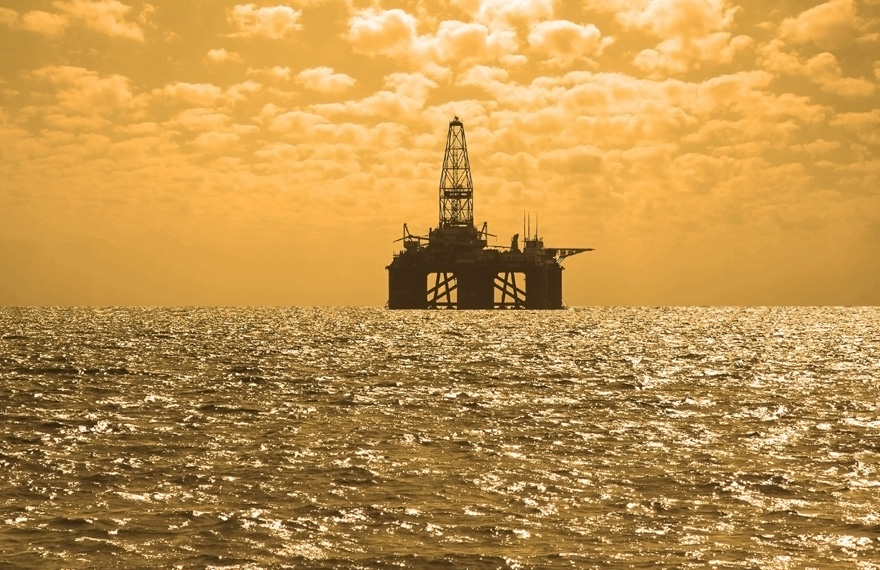
The North Caspian Sea region is rich in both biodiversity and petroleum resources and has faced a number of environmental challenges. In 2010, a consortium of eight energy companies led by the North Caspian Operating Company (NCOC) commissioned the Integrated Coastal Zone Management Master Plan project to develop a decision-making tool to protect the local coastal environment and reduce the environmental impacts of energy companies operating in the Caspian Sea.
Solution
As technical supplier to the Client, our role in this project was four-fold: to establish the scientific baseline of the environmental and socio-economic context, to develop future scenarios for the coastal zone, to assess environmental criticalities, and to develop guidelines for the oil companies on biodiversity protection.
Our water and environmental intelligence services included collecting data, conducting a gap analysis, and conducting a suite of environmental research projects in a number of areas, including: Morphological evolution; Geological and hydrogeologic surveying; Analysis of natural subsidence with state-of-the-art remote sensing and electromagnetic techniques; Detailed analysis of the anthropogenic stresses on the coastal zone environment; Environmental quality assessment including air, water, sediment and soil conditions; and a Comprehensive study of the biodiversity and landscapes in the area.
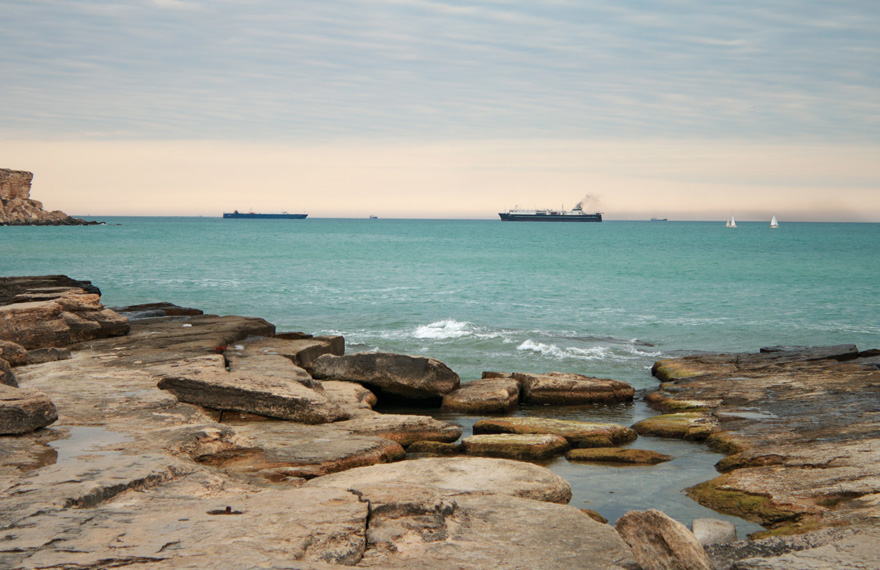
Our environmental protection services included carrying out a comprehensive vulnerability assessment which entailed: a multi-hazard analysis of the environmental and socio-economic vulnerability of the study area (eg. marine inundations, pollution, habitat loss, industrial hazards) and an assessment of existing conditions and future worst case scenarios.
These services culminated in the development of the Master Plan which identified the main environmental stresses of the territory and proposed a set of guidelines and recommendations for the future economic development of the area, prioritizing conservation of ecosystems. The Master Plan, which adopts EU and UN guidelines for coastal management worldwide, seeks to integrate economic needs with social-economic-environmental sustainable development and is an important tool for understanding the long-term strategic needs of the area.
Outcome
Today the Master Plan and the associated tools are paying out dividends. On the compliance front, it has guided some of the world’s largest energy companies in developing their own environmental protection plans (EPPs) and continues to provide a framework for environmental management for stakeholders and the government alike.

It helps keep energy companies in compliance with Kazakh Government regulations; in 2012, the consortium of companies spent over $80 million on activities outlined in the Master Plan. The GIS database tool delivered help energy company experts to create sensitivity maps and run scientific analysis. NCOC uses the information as a tool for identifying priority response areas, in an unlikely event of an oil spill.